Understanding Industrial Scrap
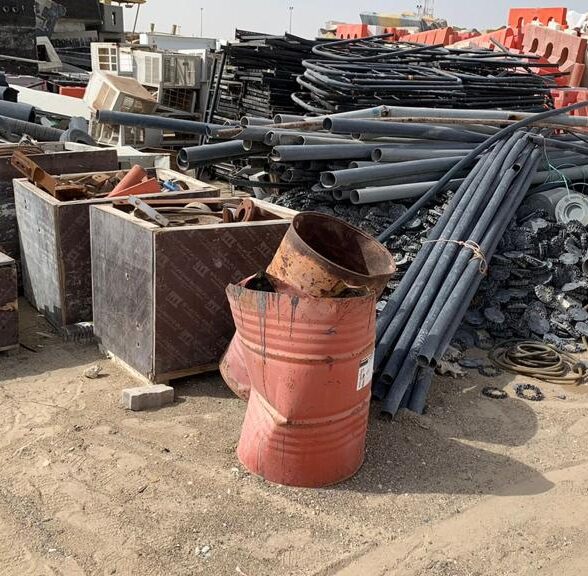
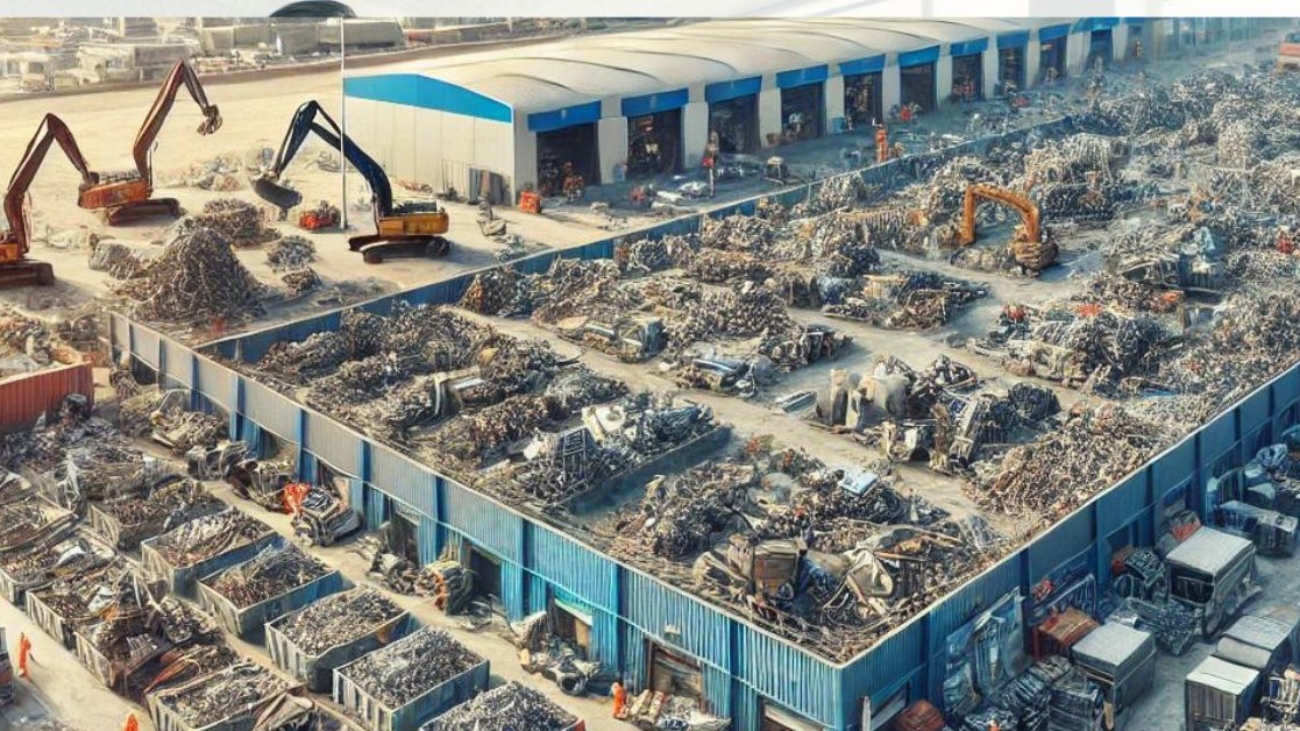
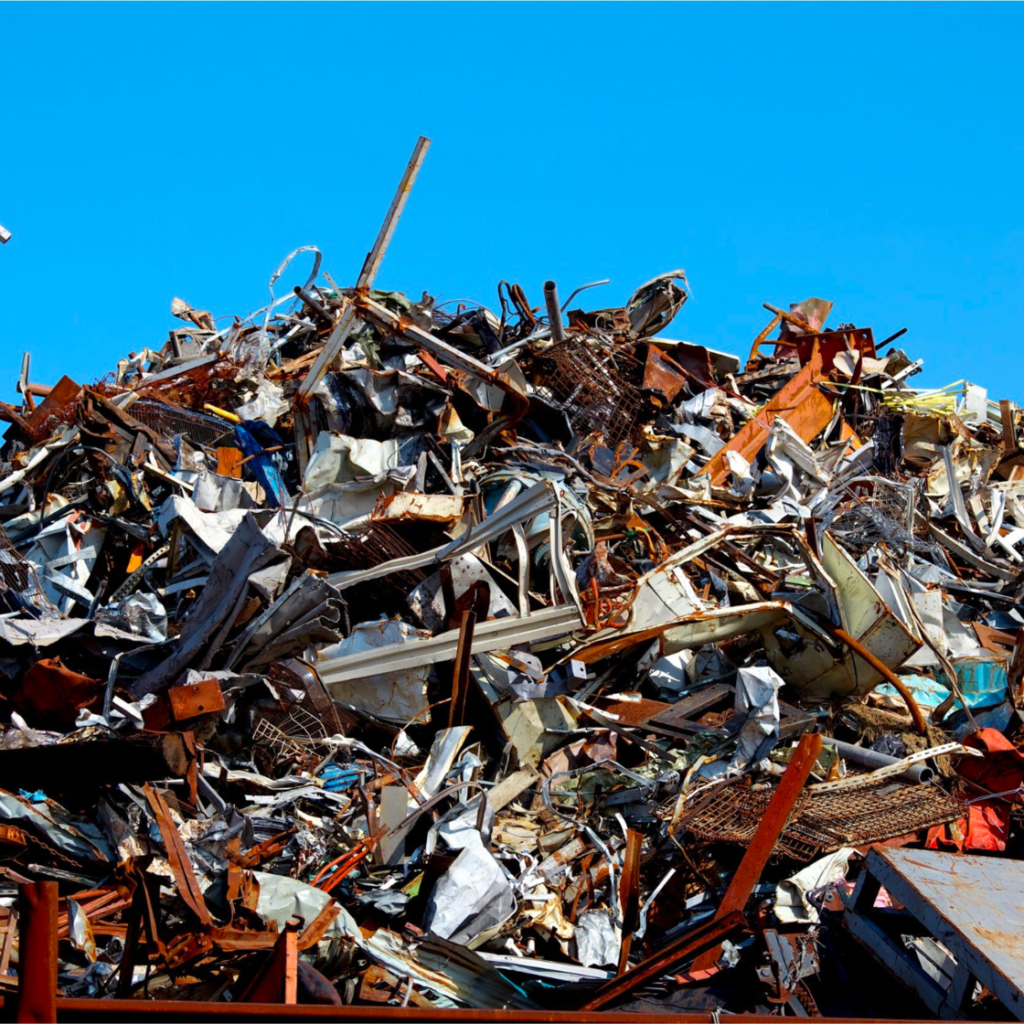
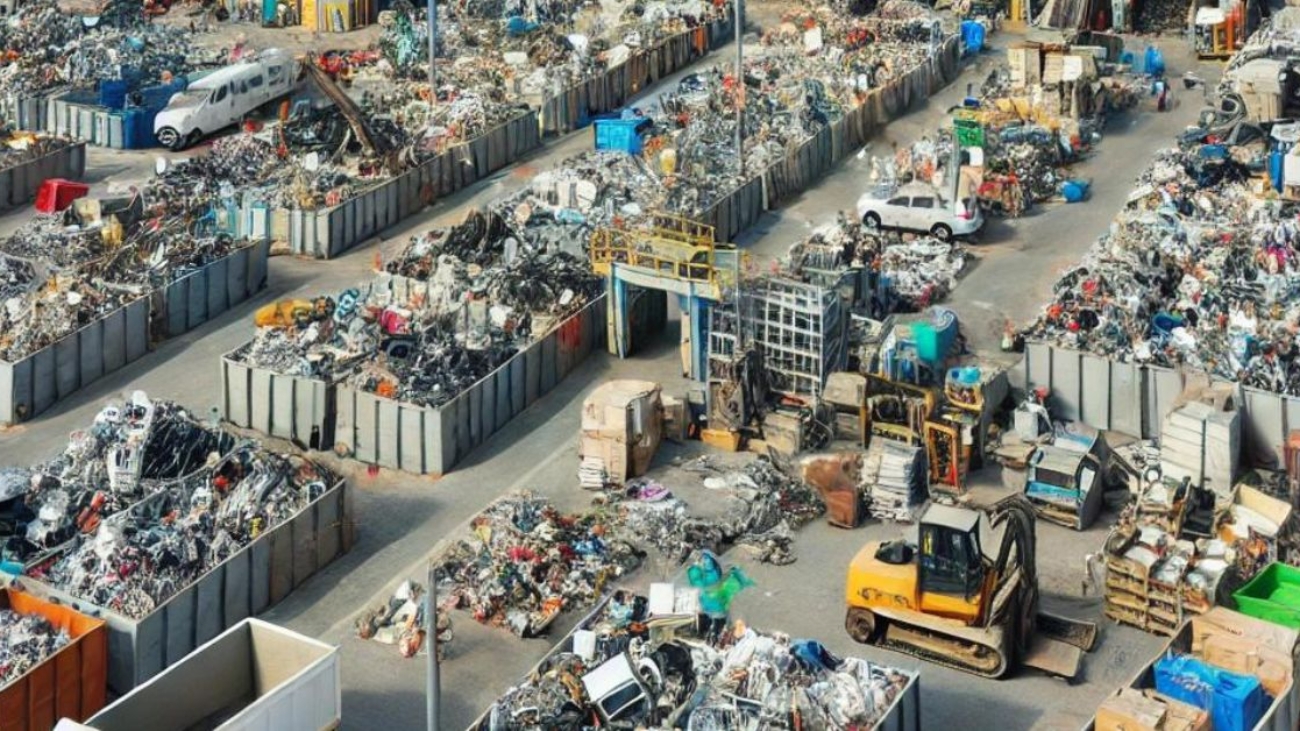
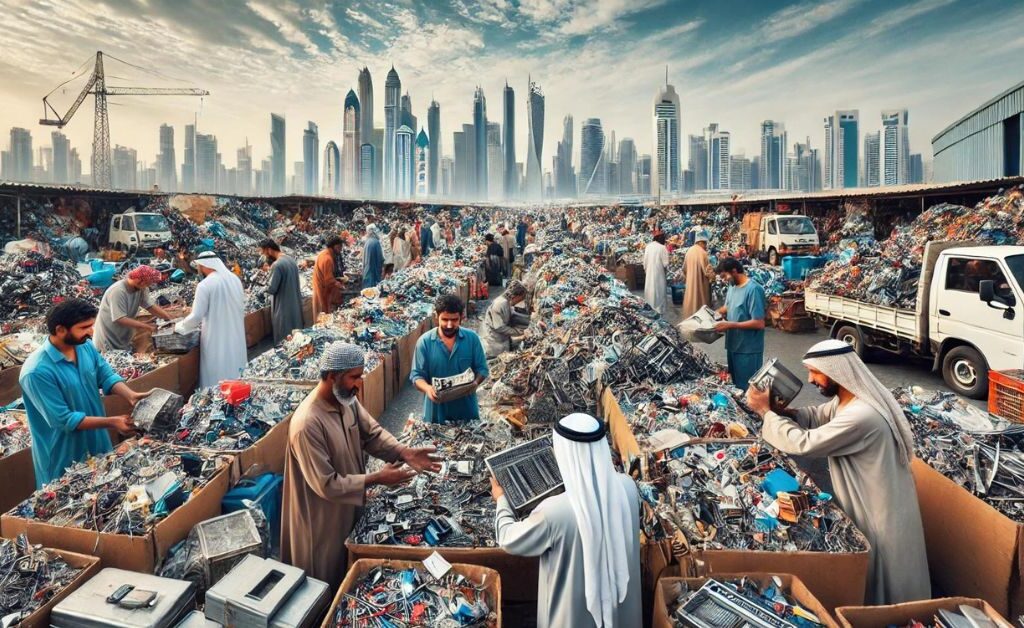
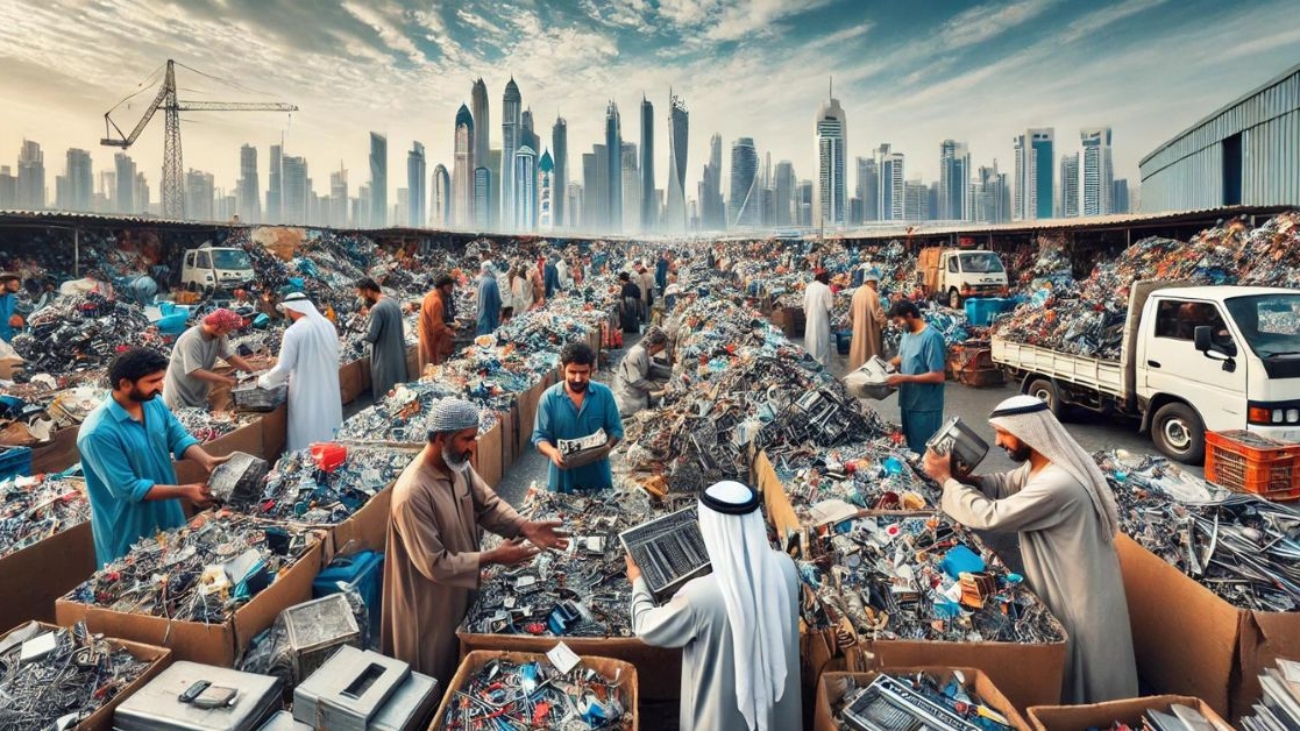
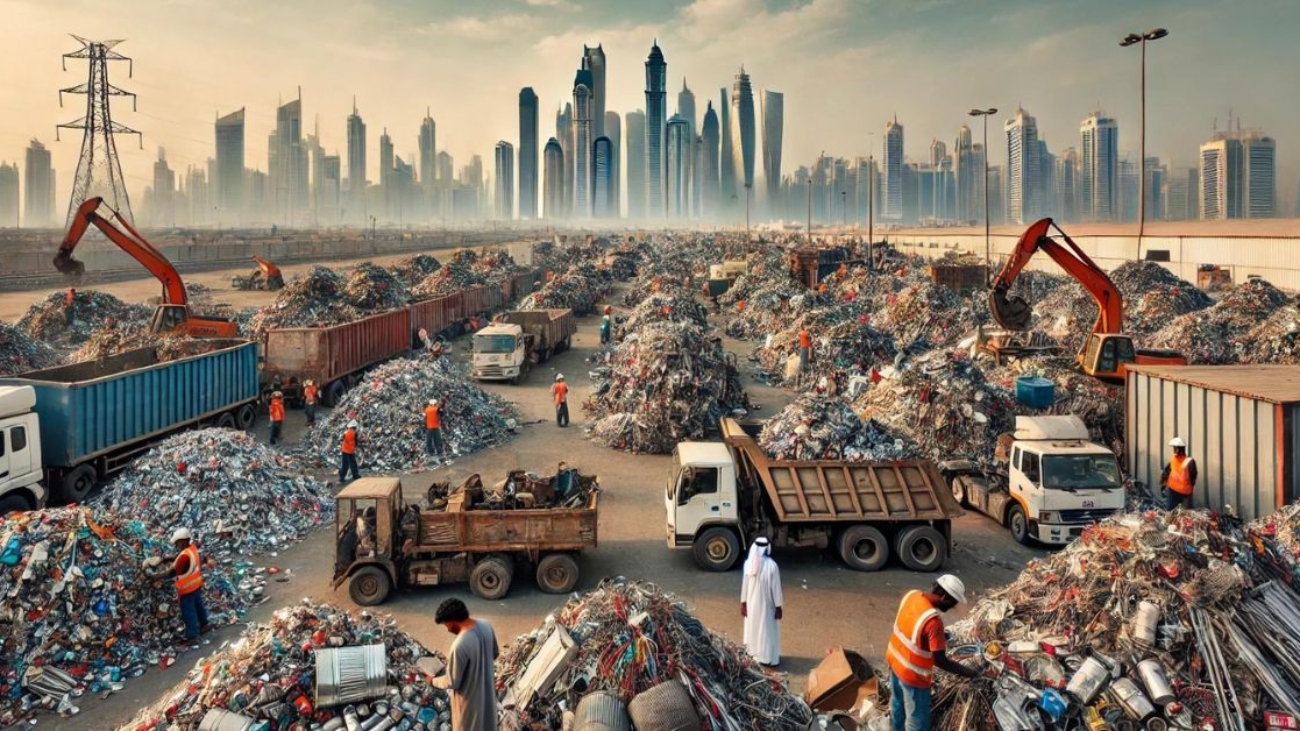
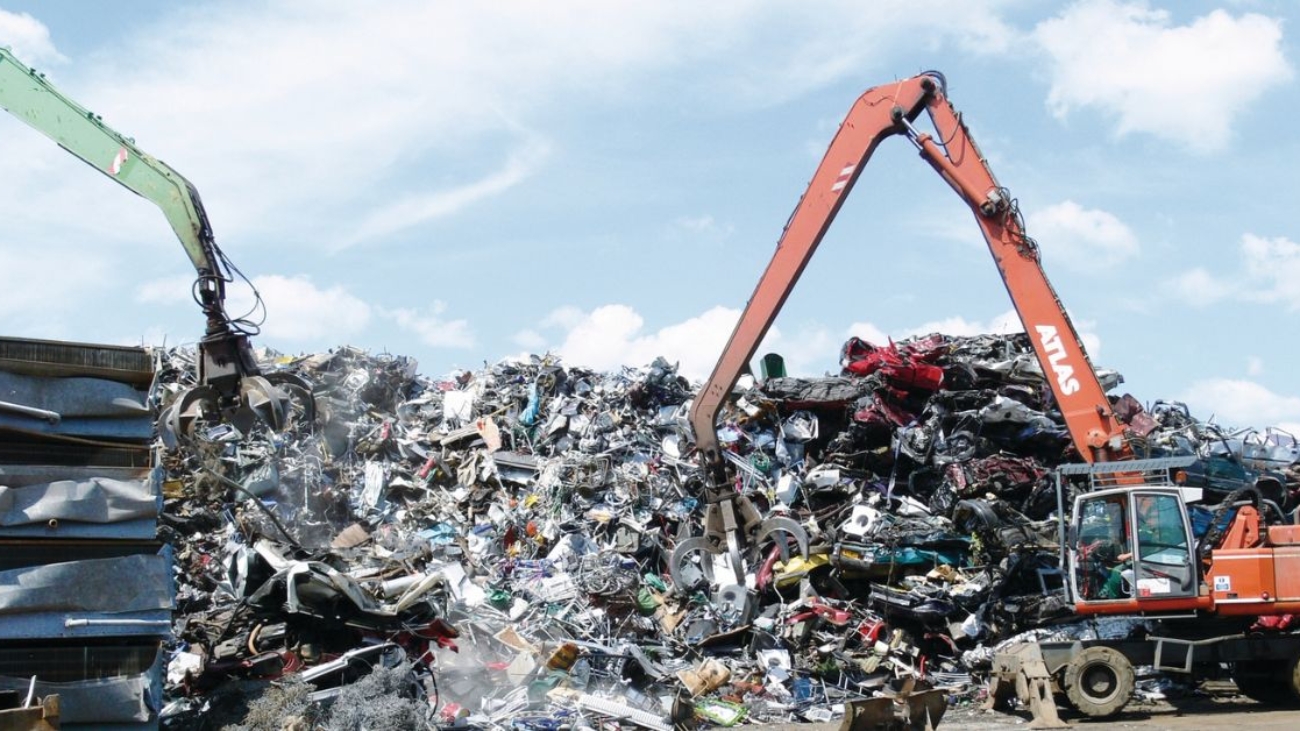
Industrial scrap is not just waste—it’s leftover material from your daily work, like metal pieces, damaged items, or packaging. Every business produces it, but the way you handle it makes a big difference. Here we tell you how Industrial Scrap Disposal Can Reduce Business Costs
Think of it like unused items in your store. If you ignore them, they take up space and cost money. But if you manage them properly, they can actually bring in extra income.
Today, smart businesses don’t just throw scrap away. They reuse it, recycle it, or sell it. This simple change helps reduce costs and improves efficiency.
Types of Scrap
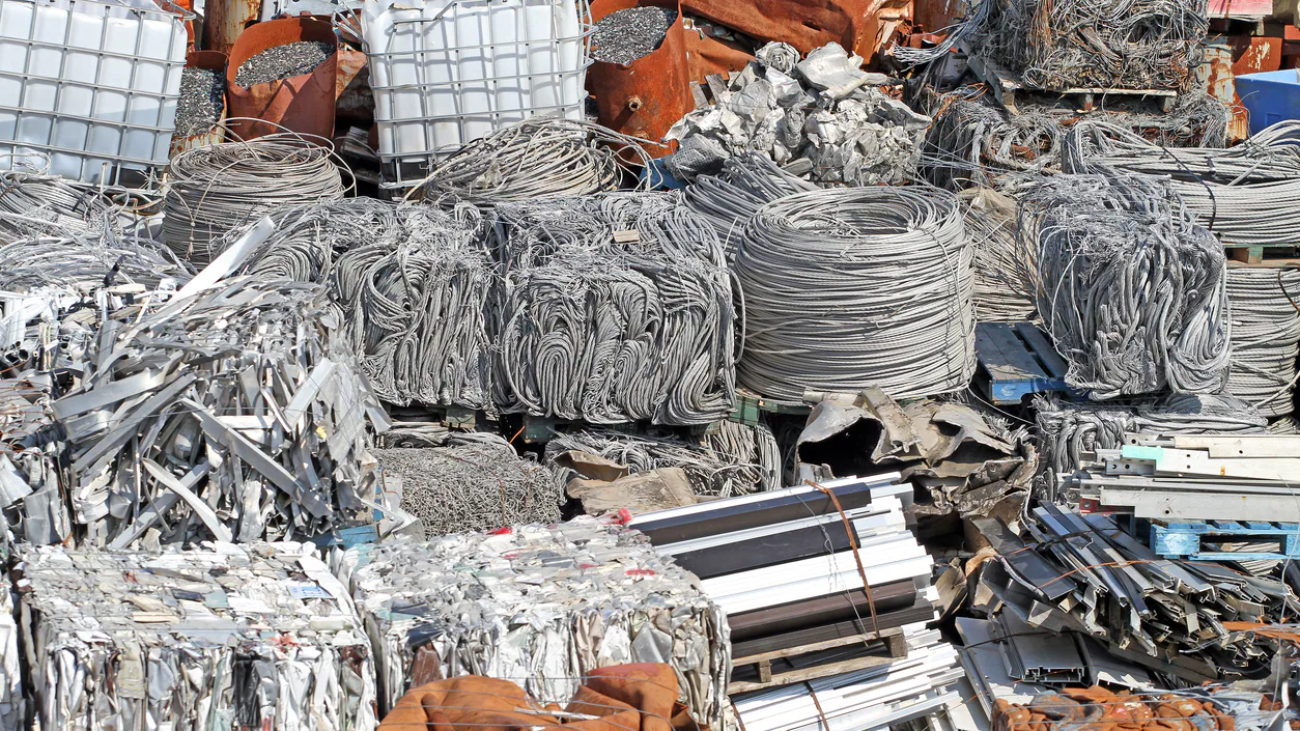
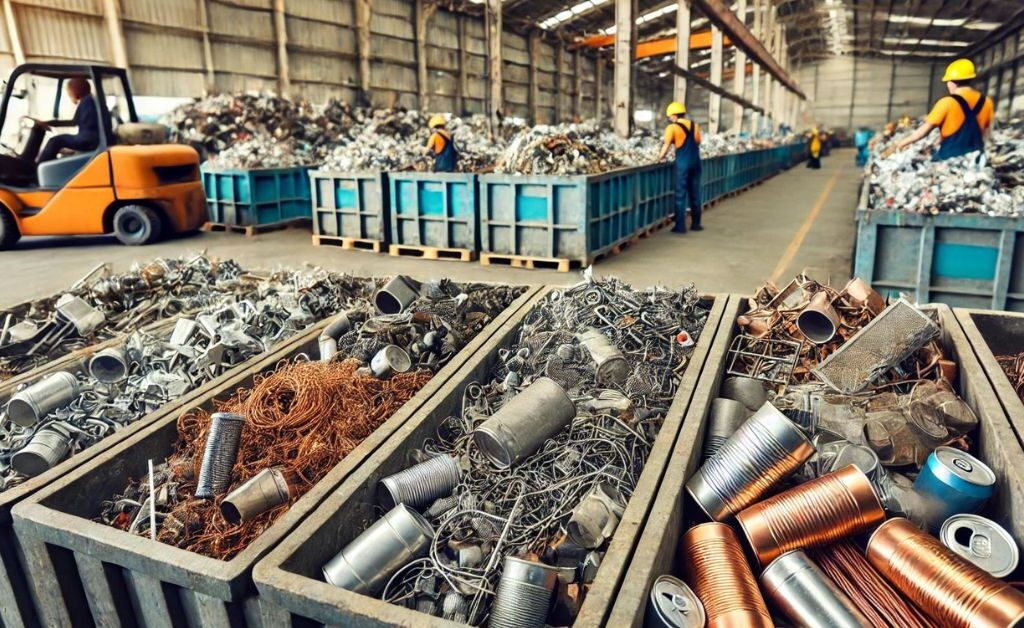
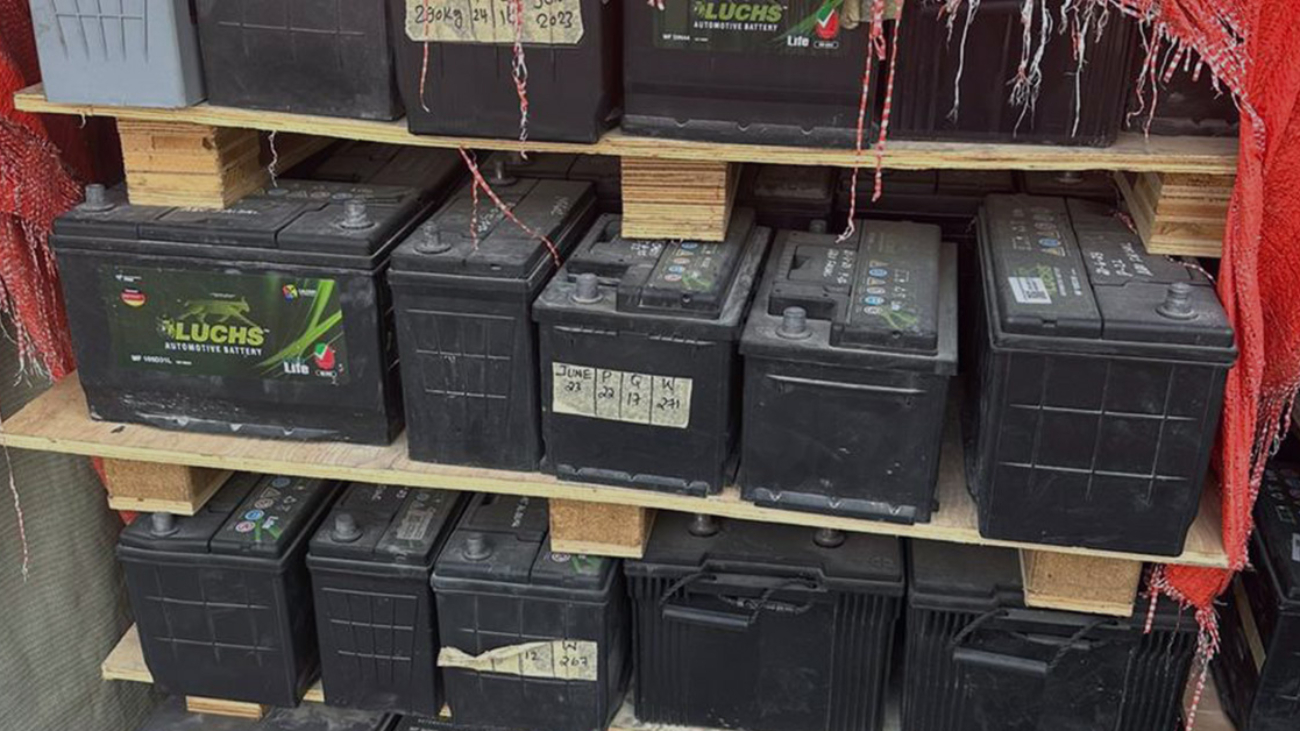
The most valuable scrap is usually metal like copper, aluminum, and steel. These materials can be recycled easily and sold at good prices.
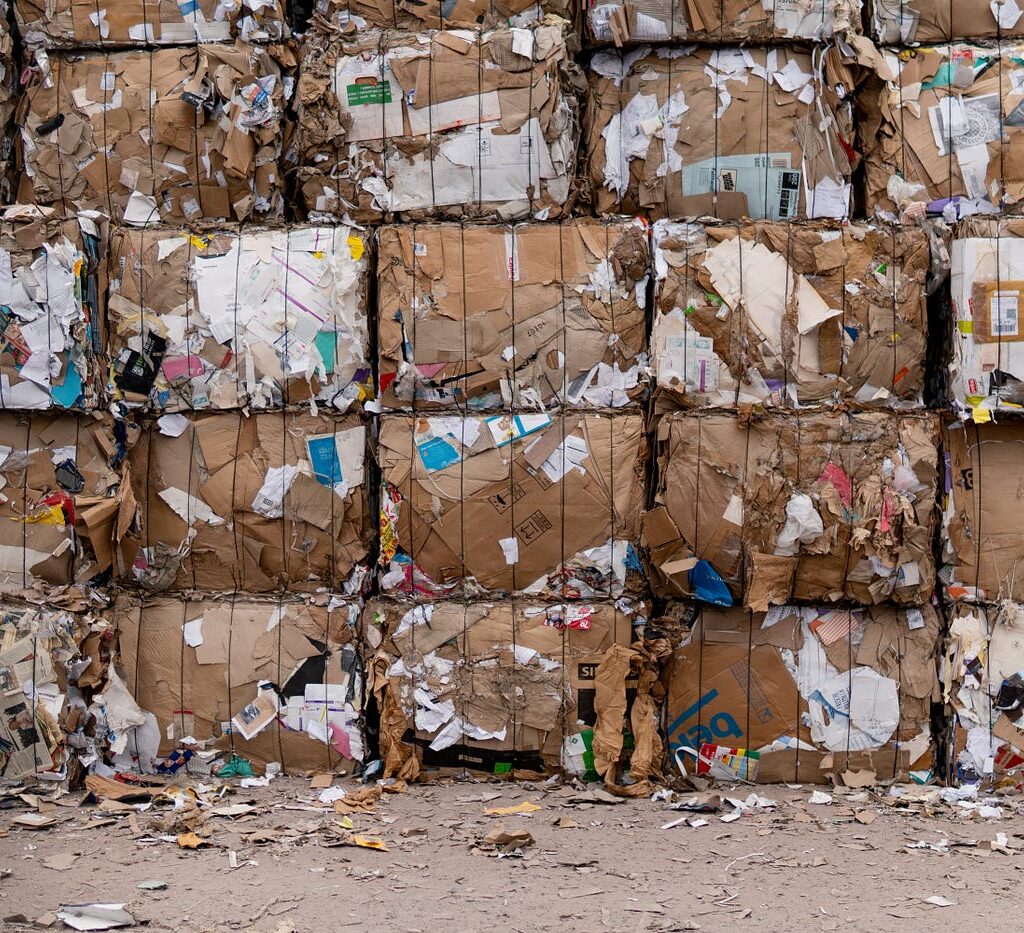
Other materials like plastic, paper, and rubber also have value, but only if they are sorted properly. When everything is mixed together, it becomes harder to recycle and less valuable.
So, proper sorting is key. The better you organize your scrap, the more money you can save or earn.
Hidden Costs of Poor Scrap Management
High Disposal Costs
If you don’t manage scrap properly, you’ll end up paying more for waste disposal. Most companies charge based on weight, so heavy materials like metal increase your costs.
You could be paying to throw away something that actually has value. Over time, this wastes a lot of money.
Losing Valuable Materials
When scrap is thrown away, you also lose the chance to sell it. Materials like copper and aluminum are always in demand.
Even small amounts add up over time. If you ignore them, you’re missing out on easy income.
How Scrap Disposal Saves Money
Lower Waste Costs
By separating scrap from general waste, you reduce the amount of trash going to landfills. This means fewer pickups and lower fees.
It also makes your workplace cleaner and more organized, which improves efficiency.
Lower Transport Costs
Less waste means fewer trips for disposal. This saves fuel, labor, and time.
When scrap is sorted and compacted, it’s easier and cheaper to transport.
Turning Scrap into Income
Selling Scrap
Instead of paying to dispose of scrap, you can sell it. Metals like copper and aluminum can bring in good money.
For businesses that produce a lot of scrap, this can become a steady source of income.
Scrap Value
| Material | Value |
|---|---|
| Copper | High |
| Aluminum | High |
| Steel | Medium |
| Plastic | Low-Medium |
Knowing what your scrap is worth helps you make better decisions.
Reducing Material Costs
Using Recycled Materials
Recycled materials are often cheaper than new ones. Using them can reduce production costs without affecting quality.
Better Supply Stability
Raw material prices go up and down. Recycled materials are more stable, helping you plan your budget better.
Improving Efficiency
Lower Energy Use
Recycling uses less energy than producing new materials. This helps reduce electricity costs.
Better Productivity
A clean and organized workspace helps employees work faster and safer. Less waste means fewer problems and smoother operations.
Compliance and Benefits
Avoiding Fines
Proper scrap disposal helps you follow environmental rules and avoid penalties.
Tax Benefits
Some governments offer tax benefits for recycling. This helps businesses save even more money.
FAQs
1. How does scrap disposal reduce costs?
It lowers waste disposal fees, reduces transportation expenses, and creates revenue from selling scrap materials.
2. Which materials are most valuable in scrap?
Metals like copper, aluminum, and steel are among the most valuable.
3. Can small businesses benefit from scrap disposal?
Yes, even small amounts of scrap can generate savings and additional income over time.
4. Is recycling cheaper than disposal?
In most cases, yes. Recycling reduces landfill costs and can generate revenue.
5. How can I start managing industrial scrap?
Begin by sorting materials, tracking waste, and partnering with a reliable recycling company.
Conclusion
Industrial scrap disposal is not just about waste—it’s a smart way to save money and even make extra income.
By managing scrap properly, you can reduce costs, improve efficiency, and turn waste into a valuable asset.