
Understanding Industrial Scrap
What Is Industrial Scrap?
Scrap Buyers If you walk into any factory, you’ll notice one thing almost immediately—waste is everywhere. From leftover metal sheets to broken machinery parts, industrial scrap is simply the byproduct of manufacturing processes. But here’s the twist: what looks like waste is actually hidden money waiting to be unlocked. Industrial scrap includes materials like steel, aluminum, copper, and even electronic components that can be reused or recycled instead of thrown away.
Factories generate scrap daily, often in large volumes, and managing it properly is not just about cleanliness—it’s about strategy. Instead of letting it pile up, businesses can convert this scrap into a valuable resource. Think of it like leftovers in a kitchen. You can either throw them away or turn them into another delicious meal. The same logic applies here. Scrap isn’t useless; it’s simply underutilized.
Types of Scrap Generated in Factories
Industrial scrap comes in many forms, and understanding these types helps factories make better decisions. The most common categories include ferrous metals like steel and iron, and non-ferrous metals such as copper, aluminum, and brass. These materials often come from machinery, wiring, pipes, and production waste.
Each type of scrap has its own value in the market. For example, copper is highly valuable due to its demand in electrical applications, while aluminum is prized for its lightweight and recyclability. Factories that separate their scrap properly can earn significantly higher returns. It’s like sorting coins—you wouldn’t mix gold with pennies, right? Proper classification ensures maximum profit and efficiency.
Who Are Professional Scrap Buyers?
Role of Scrap Buyers in Industry
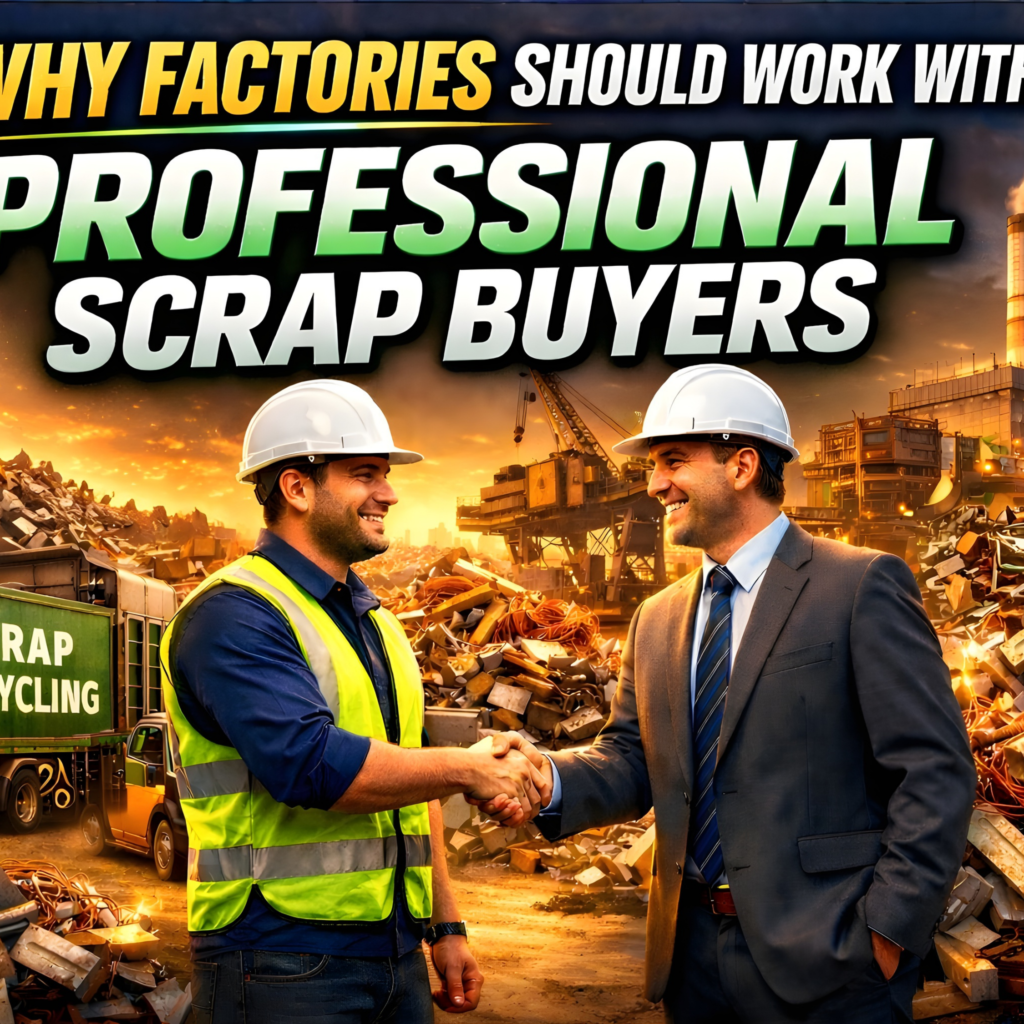
Professional scrap buyers act as the bridge between factories and recycling industries. They specialize in collecting, sorting, valuing, and processing scrap materials. Instead of factories dealing with the complexity of recycling themselves, these experts handle everything from pickup to payment.
Their role goes beyond simple buying and selling. They ensure that scrap materials are recycled responsibly, contributing to sustainability while helping businesses generate income. Imagine having a partner who not only clears your waste but also pays you for it—that’s exactly what scrap buyers do.
How Scrap Buyers Operate
The process is surprisingly simple yet highly efficient. First, the scrap buyer evaluates the material based on type, weight, and market price. Then, they provide a quote and arrange for collection. Once the transaction is complete, the scrap is transported to recycling facilities for processing.
This streamlined system removes the burden from factory owners. Instead of worrying about logistics, transportation, or pricing, they can focus on their core business operations. It’s like outsourcing your headaches—why deal with the hassle when someone else can do it better?
Financial Benefits for Factories
Turning Waste into Revenue
Here’s the most exciting part—scrap can become a steady income stream. Many factories underestimate the value of their waste, but materials like copper and aluminum can fetch high market prices. Instead of paying for disposal, businesses can actually earn money.
Think about it: every piece of unused metal is like loose change lying around. Over time, it adds up to a significant amount. By partnering with professional scrap buyers, factories can convert this “waste” into profit without any extra effort. It’s a win-win situation.
Reducing Disposal Costs
Disposing of industrial waste is not cheap. Landfill fees, transportation costs, and compliance requirements can quickly add up. Working with scrap buyers eliminates these expenses because they handle collection and recycling.
This means factories can save money while also reducing their environmental impact. Instead of spending on waste management, they can reinvest those savings into improving production or expanding operations. It’s like cutting unnecessary expenses from your monthly budget—you instantly become more efficient.
Improving Operational Efficiency
Better Space Management
Ever seen a factory cluttered with scrap piles? It’s not just messy—it’s inefficient. Scrap takes up valuable space that could be used for production or storage. By regularly selling scrap, factories can free up space and improve workflow.
A clean workspace leads to better productivity. Employees can move freely, machines can operate efficiently, and the overall environment becomes safer. It’s similar to cleaning your desk—once the clutter is gone, everything feels easier to manage.
Streamlined Waste Handling
Handling scrap internally can be time-consuming and labor-intensive. Workers have to sort, store, and manage waste, which takes focus away from core tasks. Professional scrap buyers simplify this process by taking over the entire operation.
This allows factories to streamline their processes and focus on what they do best—production. It’s like hiring a specialist instead of trying to do everything yourself. Efficiency improves, and stress decreases.
Environmental Impact and Sustainability
Reducing Carbon Footprint
Recycling scrap metal significantly reduces energy consumption and emissions. For example, recycling aluminum saves up to 95% of the energy required to produce it from raw materials, while steel recycling saves around 74% energy.
Lower energy usage means fewer greenhouse gas emissions, which directly contributes to combating climate change. By working with scrap buyers, factories play a role in creating a greener future. It’s like switching from a fuel-guzzling car to an electric one—small changes, big impact.
Conserving Natural Resources
Every ton of recycled steel saves approximately 2,500 pounds of iron ore and other raw materials. This reduces the need for mining, which can harm ecosystems and deplete natural resources.
Factories that recycle scrap contribute to a circular economy where materials are reused instead of discarded. It’s like recycling water in a closed system—nothing goes to waste, and everything is reused efficiently.
Compliance and Safety Advantages
Meeting Environmental Regulations
Governments around the world are tightening environmental regulations, and factories must comply to avoid penalties. Proper scrap management is a key part of these regulations.
Professional scrap buyers ensure that waste is handled according to legal standards. This reduces the risk of fines and legal issues. It’s like having a compliance expert on your team—you stay safe and stress-free.
Enhancing Workplace Safety
Accumulated scrap can be hazardous. Sharp metal edges, heavy materials, and cluttered spaces increase the risk of accidents. By removing scrap regularly, factories create a safer working environment.
Safety isn’t just about avoiding accidents—it’s about building trust with employees. A clean and organized workspace boosts morale and productivity, making everyone feel more secure.
Access to Market Expertise
Accurate Scrap Valuation
Scrap prices fluctuate based on market demand, material type, and global trends. Professional buyers have the expertise to provide accurate valuations, ensuring factories get the best price.
Without this knowledge, businesses might undervalue their scrap and lose money. It’s like selling a car without knowing its market value—you could miss out on a great deal.
Market Trends and Pricing
Experienced scrap buyers stay updated on market trends and pricing changes. This helps factories make informed decisions about when to sell their scrap for maximum profit.
Timing can make a big difference. Selling at the right moment can significantly increase earnings, just like investing in stocks at the right time.
Long-Term Business Growth
Supporting Circular Economy
The concept of a circular economy is becoming increasingly important in modern industries. Instead of a “take-make-dispose” model, businesses are shifting toward reuse and recycling.
Scrap buyers play a crucial role in this system by ensuring materials are reused efficiently. This not only benefits the environment but also strengthens the supply chain.
Building Sustainable Brand Image
Today’s customers care about sustainability. Companies that adopt eco-friendly practices gain a competitive advantage in the market.
By working with professional scrap buyers, factories can showcase their commitment to environmental responsibility. This improves brand image and attracts more customers. It’s like wearing a badge of honor—people notice and appreciate it.
Conclusion
Factories that treat scrap as waste are leaving money on the table. Professional scrap buyers transform this overlooked material into a valuable asset, offering financial, operational, and environmental benefits. From reducing costs and improving efficiency to supporting sustainability and compliance, the advantages are undeniable.
Partnering with scrap buyers isn’t just a smart move—it’s a strategic decision that drives long-term success. In a world where efficiency and sustainability matter more than ever, this partnership can be the key to staying ahead of the competition.
FAQs
1. What types of scrap can factories sell?
Factories can sell ferrous metals like steel and iron, non-ferrous metals like copper and aluminum, and even electronic waste.
2. How do scrap buyers determine prices?
Prices are based on material type, weight, quality, and current market demand.
3. Is working with scrap buyers environmentally friendly?
Yes, it reduces waste, conserves resources, and lowers carbon emissions.
4. How often should factories sell their scrap?
It depends on production volume, but regular disposal (weekly or monthly) is recommended.
5. Can small factories benefit from scrap buyers?
Absolutely. Even small amounts of scrap can generate revenue and improve efficiency.